

地平線的四草飼料行
陳淑君
臺灣 Taiwan|2025|紀錄 Doc|彩色 + 黑白 Color + BW |17 min|臺語發音 Taiwanese
✧2025「in臺南.無影藏」臺南市文化資產影像競賽 佳作、現場觀眾票選獎
Home / Film / Competition
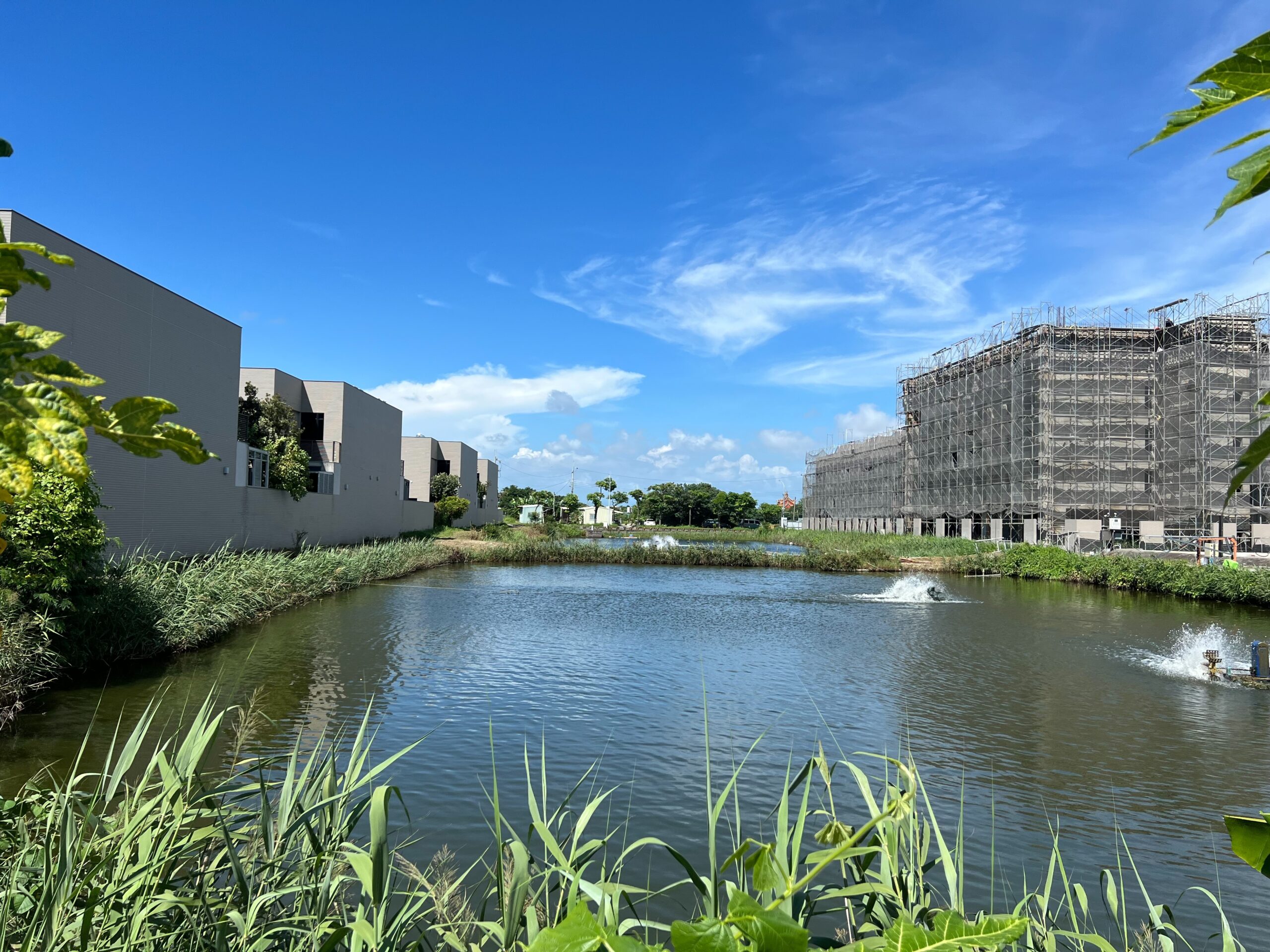
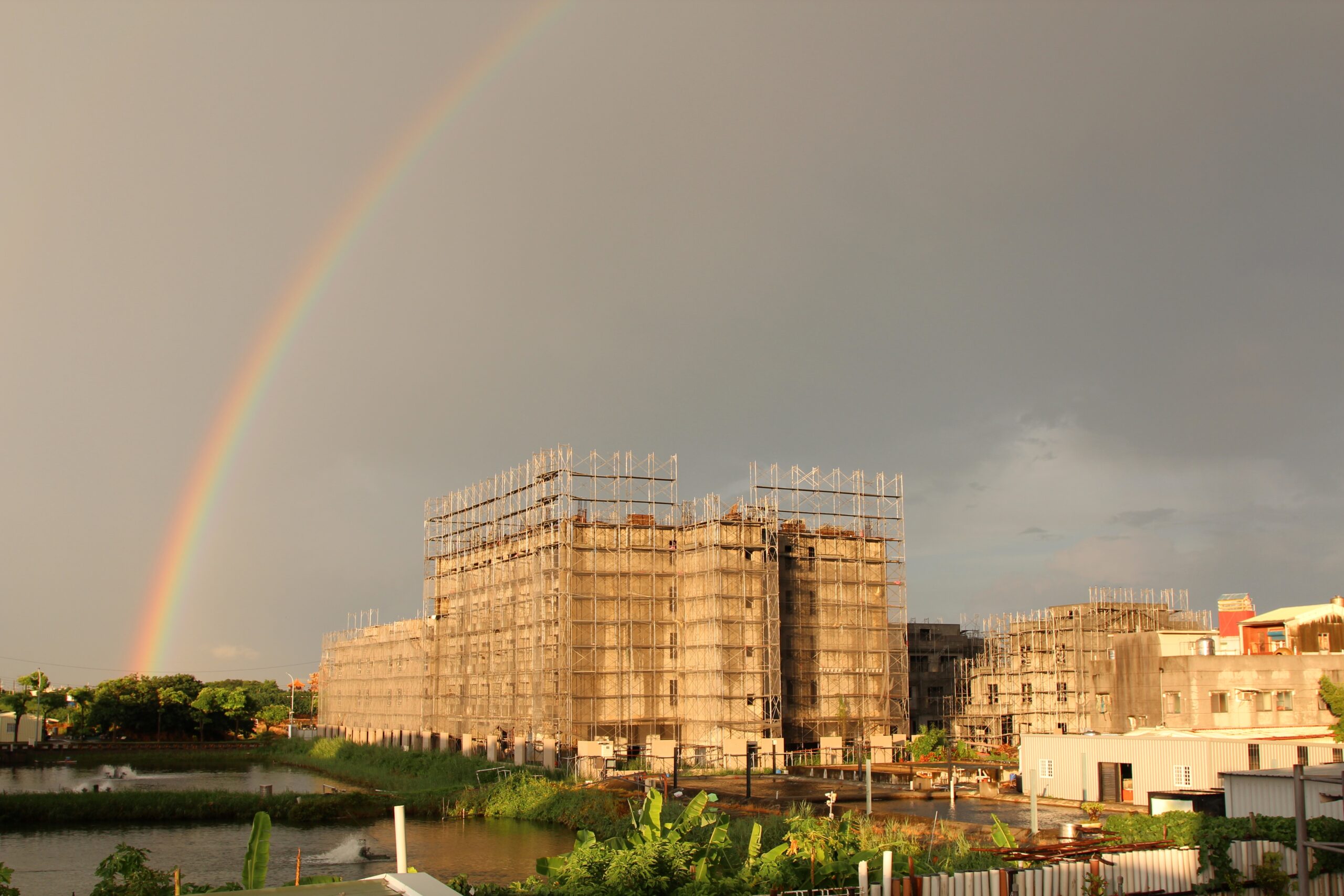
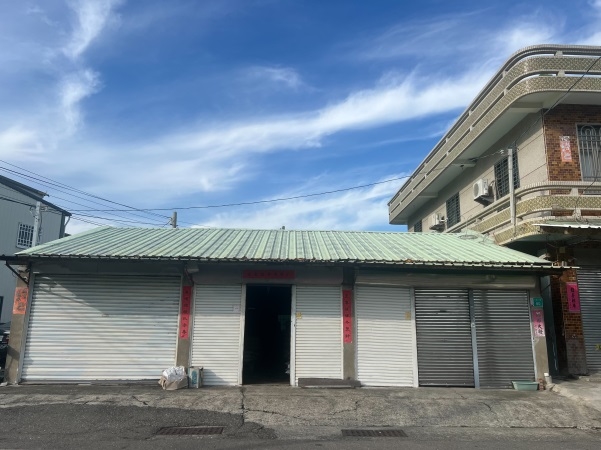
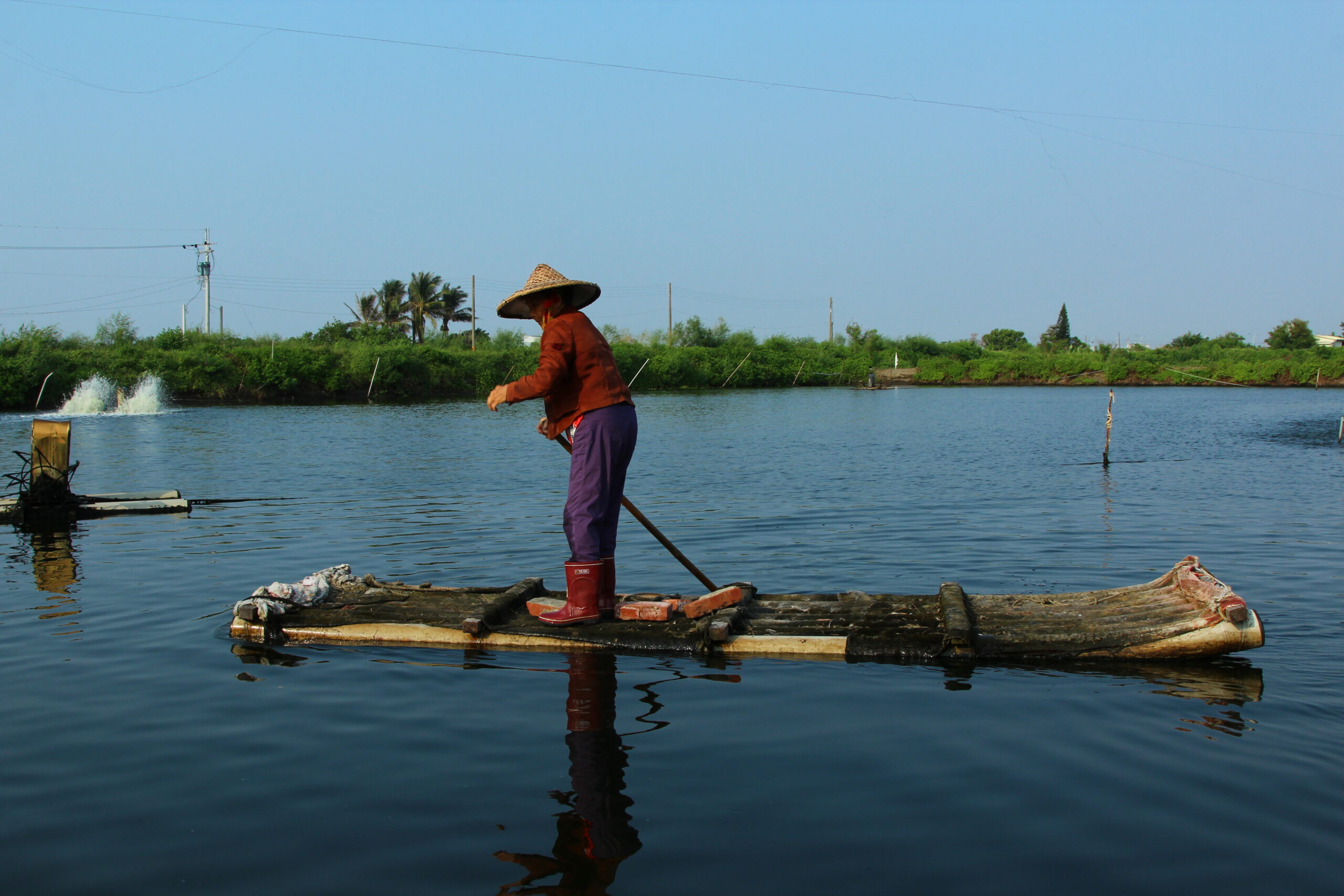
本片用「女兒」視角,以走過一甲子的四草飼料行為經、以地平線為緯,透過89歲父母與大哥的口述,回望四草百年來,從海坪、漁塭、農田,到現在觀光與建案興起的地景變遷。並以飼料行販售「四隻腳、兩隻腳到無腳」的轉變,映照農漁產業的興衰。
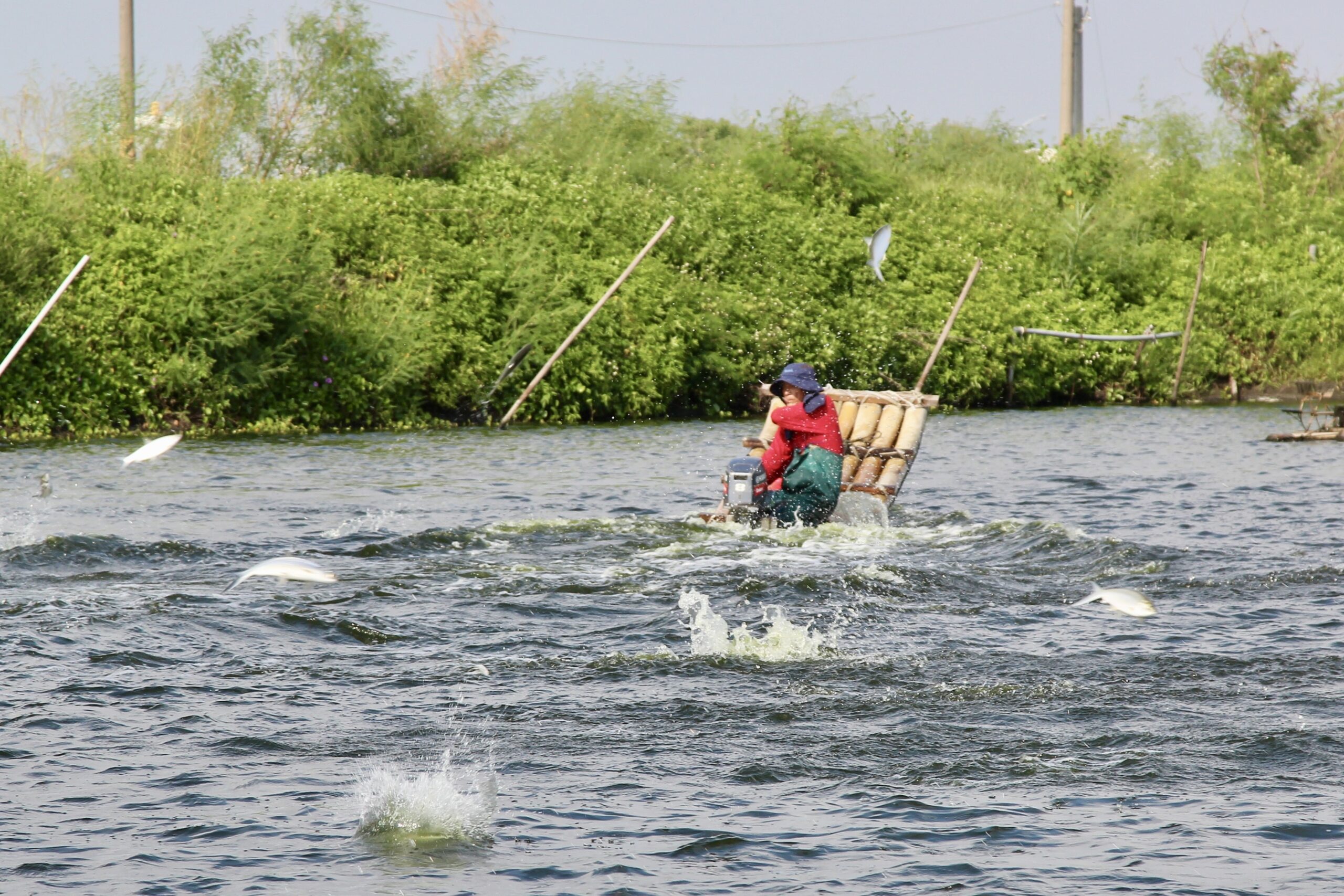
影片穿插著虱目魚「濾魚、弄魚、牽魚」的今昔漁事工法,留下四草的勞動記憶。
「地平線」是漁塭逐漸被填平、水陸推移的空間線,也是農漁脈動的轉型線,更是串起四草過去、現在、未來的時間縱軸線。
Told from a daughter’s perspective, the film takes Sicao’s Feed Store, a family-run business operating for over sixty years, as one axis, and the horizon as the other. Through the oral accounts of the director’s 89-year-old parents and elder brother, it traces a century of change in Sicao’s landscape—from tidal flats, fish ponds, and farmland to today’s growing tourism and real-estate development.
The feed store’s shift from selling feed for “four-legged, two-legged, to legless”animals also reflects the rise and decline of local farming and aquaculture.
Woven throughout the film are past and present milkfish practices—filtering fry, stirring the fish, and hauling them in—preserving the labor memories of Sicao.
The “horizon” is not only a spatial line marking the gradual filling of fish ponds and the shifting boundary between land and water, but also a line of transition in Sicao’s agricultural and fishing life, and a temporal axis connecting its past, present, and future.
Director
陳淑君

陳淑君,臺南四草人,高中職國文教師30年。
吃魚看鳥,在四草長大的漁村小孩,長大後寫寫少年事,曾以〈弄魚仔〉、〈濾魚〉獲教育部文藝創作散文獎及臺南市報導文學獎。
回想小時候,魚苗一入塭,鷺鷥就在空中頻頻偷眼。想著寫著,也出版《稼軒詞中鳥意象之研究》。
2024年參加臺南市社區影像紀錄人才培訓班,完成首部紀錄片《地平線的四草飼料行》。2025年獲「in臺南.無影藏」臺南市文化資產影像競賽佳作及觀眾票選獎。
她從文字走向影像,記錄的,始終是自己的家鄉。
CHEN Shu-Chun is from Sicao, Tainan, and taught Chinese language and literature at the secondary-school level for thirty years.
Growing up in the fishing village of Sicao, she ate fish, watched birds, and later began writing about her childhood and youth. Her essays “Nong Yu Zai” and “Lu Yu” received honors from the Ministry of Education Literary Creation Awards and the Tainan Reportage Literature Awards.
She remembers how, whenever fish fry were released into the ponds, egrets would watch from above. Those childhood memories stayed with her and found their way into her writing. She also published Bird Imagery in the Ci Poetry of Xin Qiji.
In 2024, she joined Tainan’s Community Documentary Filmmaking Training Program and completed her first documentary, Sicao’s Feed Store on the Horizon. In 2025, the film received an Honorable Mention and the Audience Choice Award at the “in Tainan” Cultural Heritage Film Competition.
As she moves from words to images, what she records has always been her hometown.
單場購票連結
爸媽已高齡,魚塭逐漸被填平,飼料行也從繁盛走向凋零。
拍攝期間,原本總說「這有什麼好拍的」的爸媽,後來竟會主動分享。平日少話的爸爸,開始愛說舊事;媽媽還來電:「魚塭飛來很多白鷺鷥,妳要不要回來拍?」他們彷彿更看見,自己勞動一生的價值。
延續著以文字記錄家鄉,這次我用影像,留下曾經的四草以及持續改變中的四草。在一次次的回望中,才發現:「鄉土,原來是夢想的沃土。」
My parents are growing old. The fish ponds are gradually being filled in, and Sicao's Feed Store has gone from prosperity into decline.
During filming, my parents, who used to say, "What is there to film?" began sharing their stories on their own. My usually quiet father began to enjoy talking about the old days, and my mother even called to say, "So many egrets have come to the fish ponds. Do you want to come back and film them?" Through the process, they seemed to see more clearly the value of a lifetime of labor.
Continuing to document my hometown through writing, this time I turned to film to preserve the Sicao that once was, and the Sicao that continues to change.
Looking back, time and again, I came to realize: "The place we call home can be fertile ground for dreams."
相關文章與座談