

而後
姚仲匡
香港、英國 Hong Kong, UK|2024|實驗 Exp|彩色+黑白 Color, B&W|19 min|粵語發音 Cantonese
✧臺灣首映 Taiwan Premiere
✧2025 法國巴黎Signes De Nuit國際電影節 國際短片競賽單元 午夜獎
✧2025 首爾國際新媒體藝術節
✧2025 英國香港電影節
一
2014,他與她在傘下萌芽的革命愛情,終伴隨那年散後而無疾而終。
二
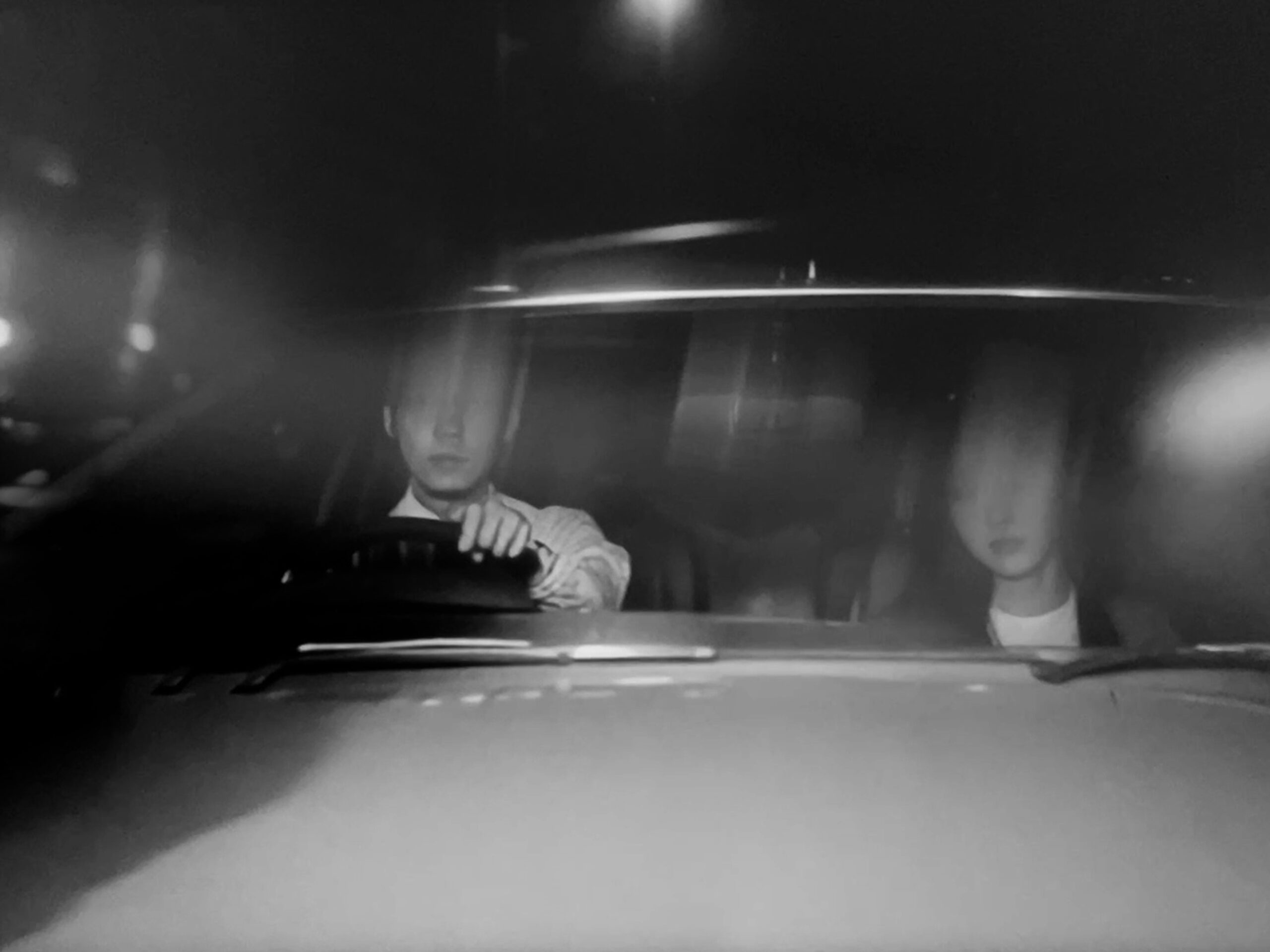
2019,妻子離家出走後,E開始駕家長車「接放學」,接載素未謀面的抗爭者C,彷彿看見自己卻已不像當天的少年。
2014年佔領運動清掃一空以後,社會彌漫低氣壓;至2019年抗爭爆發,揭破幻象,歲月既非靜好,一切並不如常,但無望亦為虛妄。此刻舊事重提,但願透過回憶從前所走過的迷霧,或許對當前面對集體創傷有所啟發;仍可確信,改變總在不可能處發生。以此共勉。
I. 2014
He and she fell in love during the Umbrella Movement. The movement faded, so did their relationship, leaving behind a city haunted by helplessness.
II. 2019
After his wife left him, E began driving a getaway car for young protesters. In their faces, he glimpsed his younger self, confronting all he had lost.
Years of disappointment followed the occupy movement, until the streets stirred again in 2019, awakening something long buried. Perhaps hopelessness is only an illusion. At this point in time, through the memories evoke in this film, I hope we might find our way through the mist of collective trauma.
導演
姚仲匡
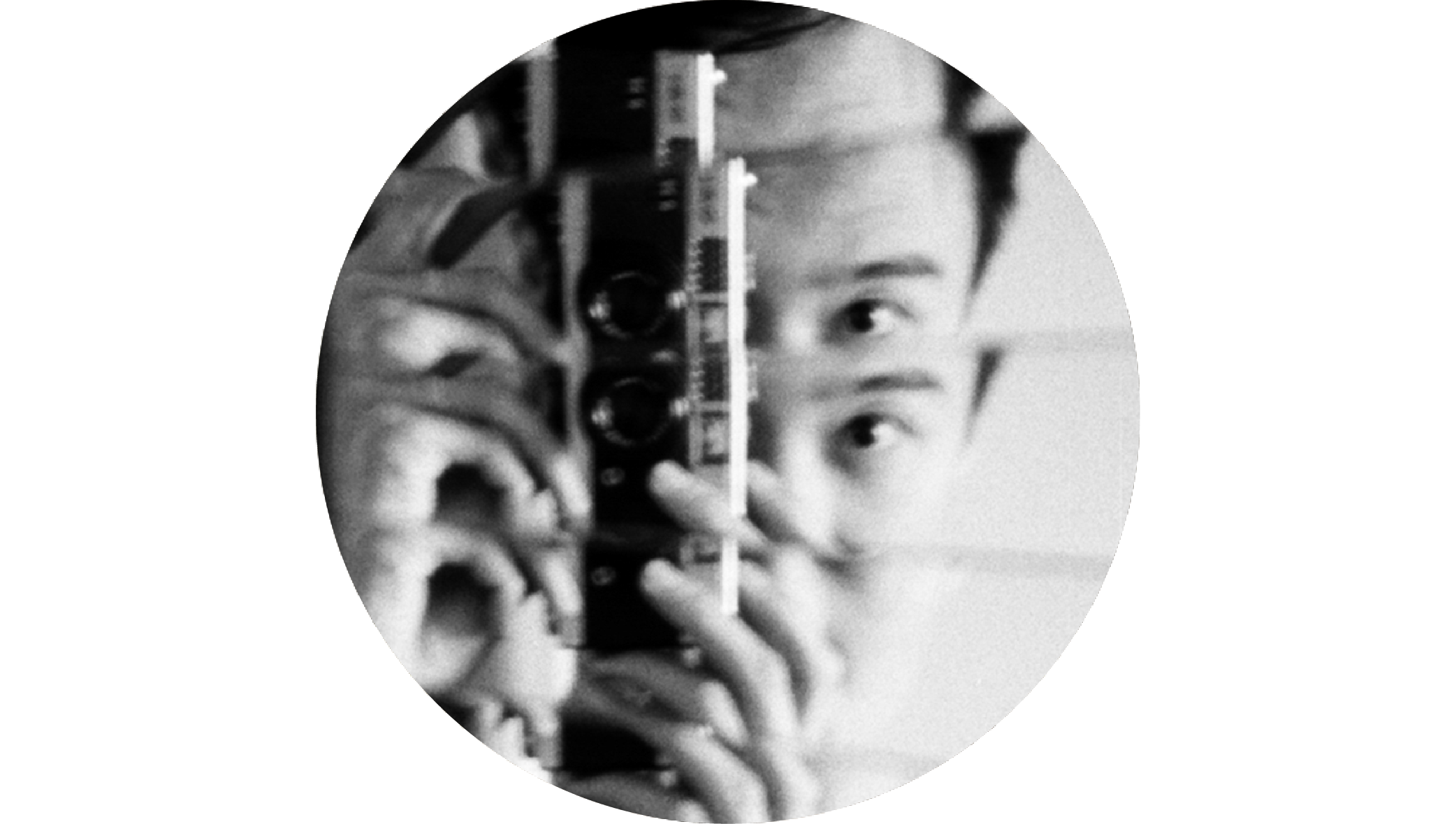
先是碰上電影,而後碰上社運;自此嘗試以電影思考運動,又以政治思考影像。已屆不是很有型也不年青的狀況,有時覺得最大嘅一個夢想其實已一早失去,有時又覺得這樣想太奢侈。
主要創作有《⾃主時代》(2015)、《暴動之後,光復之前》(2020)、《那年春天,H城的天空上出現了__》(2022)。
IU Chung-Hong is an independent film director. He graduated from the Chinese University of Hong Kong and previously worked for an NGO. With a commitment to civil society and filmmaking, his works reflect on social movements through image, and on image through politics. He directed the documentary Hong Kong’s Road to the Abolishment of Death Penalty for Amnesty International Hong Kong in 2013. His short film The Autonomous Era (2015) received Special Mention in Fresh Wave International Short Film Festival 2015 and REC Filmfestival Berlin 2017. His experimental short After the Riots, Before the Liberation (2020) received the Award for Excellence in the 35th Image Forum Festival in Japan.
單場購票連結
意念來自兩個分別寫於2014年後及2019年運動期間的劇本,五年過後,許多事情似曾相識,或許是時候回到這兩個本已束之高閣的創作。
兩段故事獨立看來了無關係,放在一起又似有脈絡,就像Kuleshov的實驗:後一個鏡頭改變了前一個的意義。
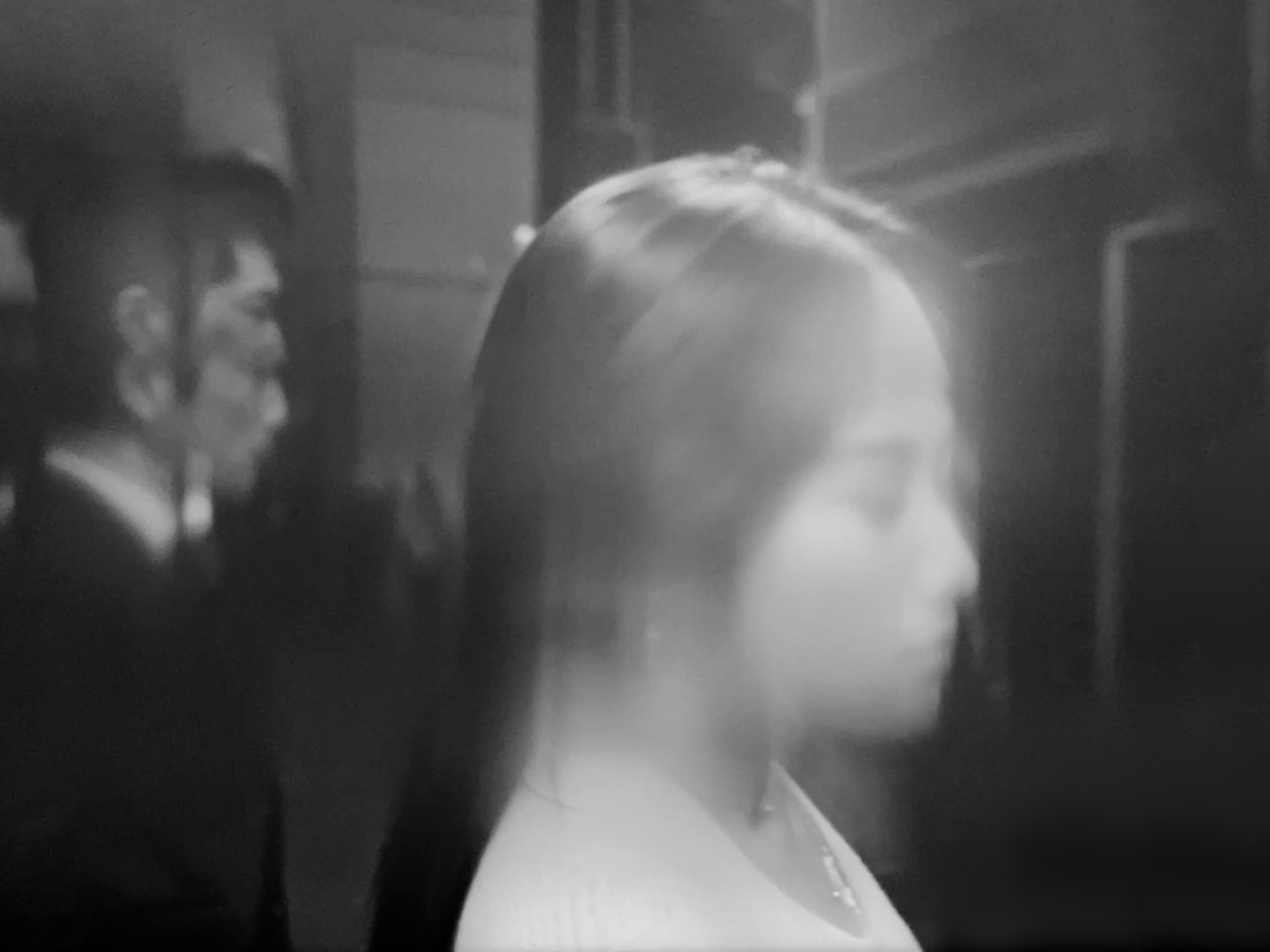
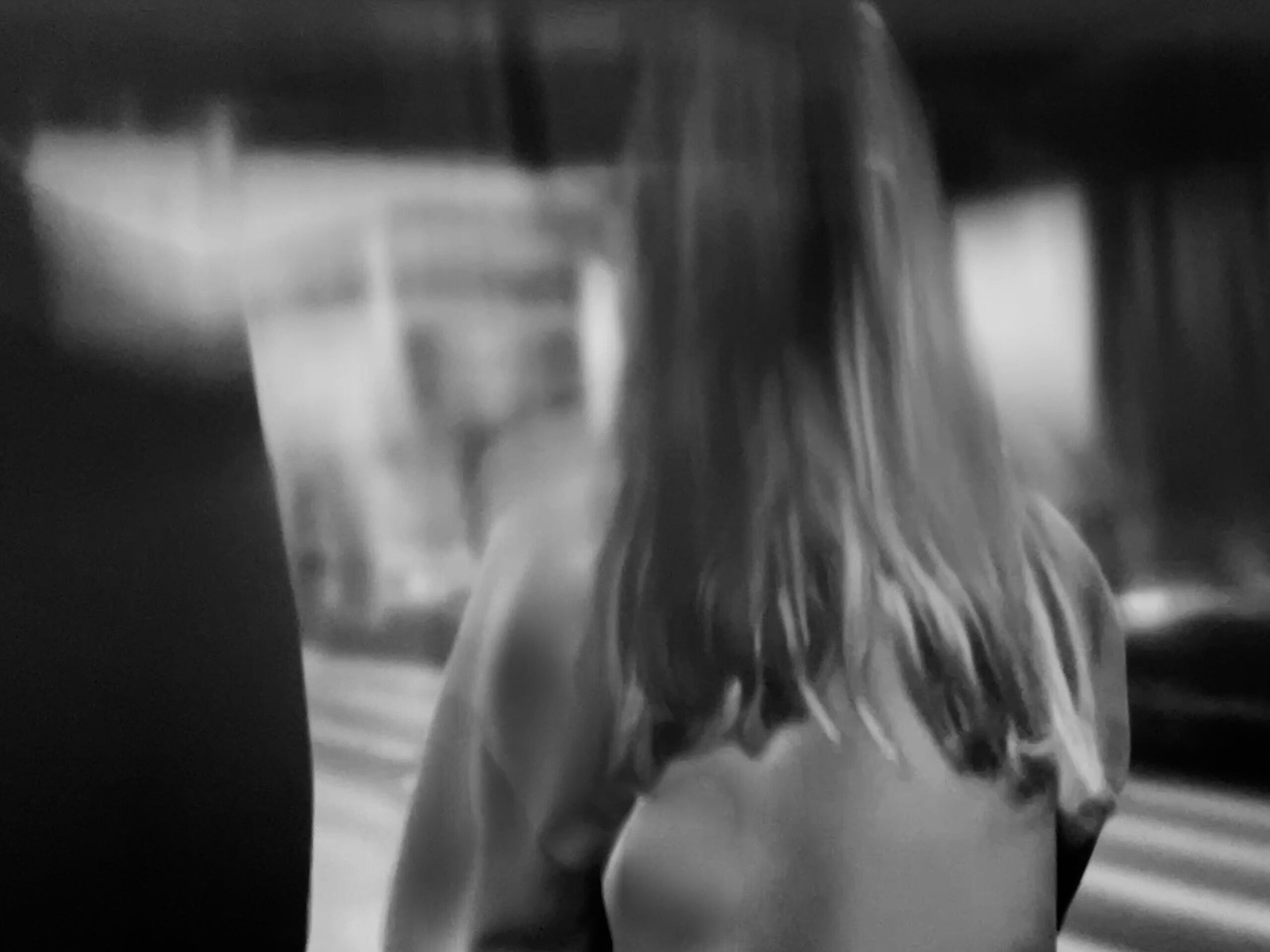
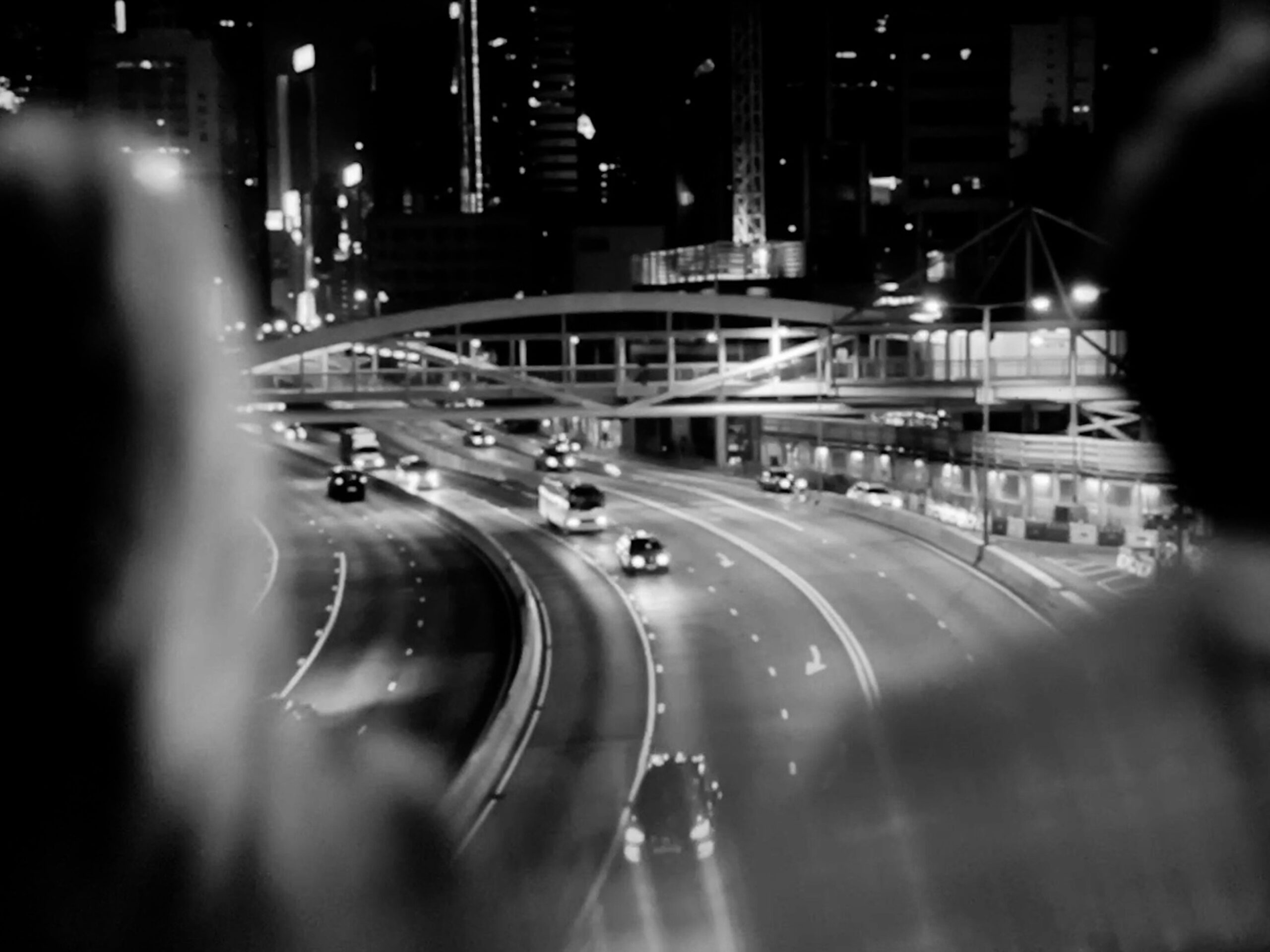
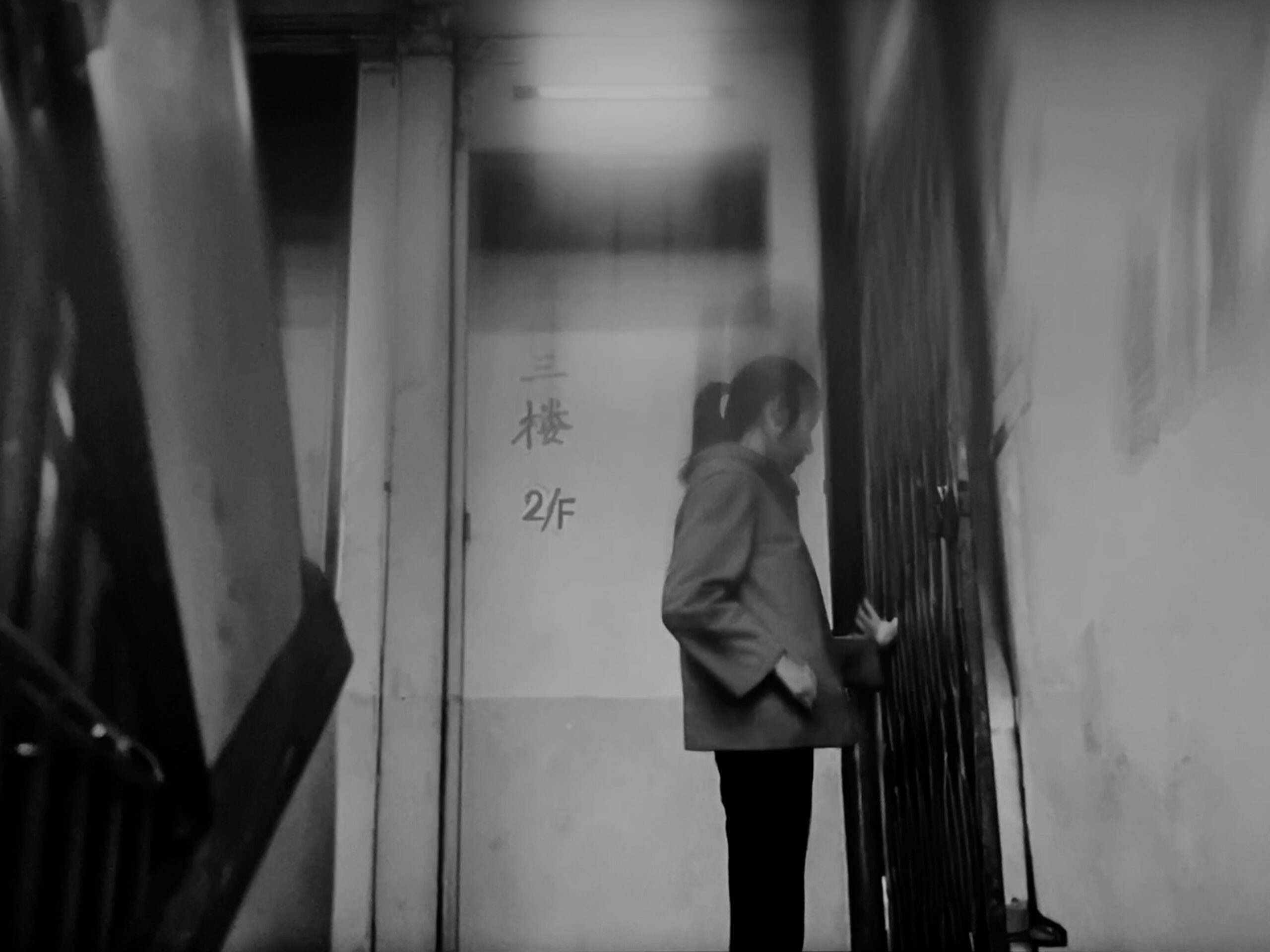
由於客觀限制,本片大部分鏡頭以AI生成加以後期處理,重塑那個回不去了的香港。我嘗試以模糊感及不連戲剪接,解決AI影片(尤其人物)奇怪的morphing以及不連貫,意外地造就了敍事中的不確定性——畢竟記憶都是朦朧的。
The idea grew from two scripts I wrote after 2014 and during the 2019 movement. Both were eventually shelved. Years later, when certain things seem to repeat, I wondered if it was time to bring them back to life.
Placed together, the two seemingly unrelated stories become a kind of Kuleshov experiment: the meaning of one shot shifts when placed alongside another. Things may appear unrelated when seen alone, yet side by side, new meanings emerge.
Most of the film was created with AI-generated imagery, with hand retouching, to reconstruct a Hong Kong we can no longer return to. This was partly due to a lack of funding and practical constraints, but more importantly, I didn't want to put any team at risk. The limitations of AI footage—its morphing and visual discontinuities, especially with human figures—led me to embrace blurred imagery and discontinuity editing, creating ambiguity and uncertainty in the narrative. Perhaps this is what memory is like.
Fiction and AI-generated images may seem to take us further from "reality". Yet this film does not attempt to reconstruct history—that is impossible—but to offer fleeting glimpses that awaken memories. And through these memories, perhaps we can believe that the Real exists.
相關文章與座談