

海島熱夢
潘律
香港、南韓 Hong Kong, South Korea|2026|實驗 Exp|彩色 Color|20 min|中文發音
✧2026 台灣國際紀錄片影展
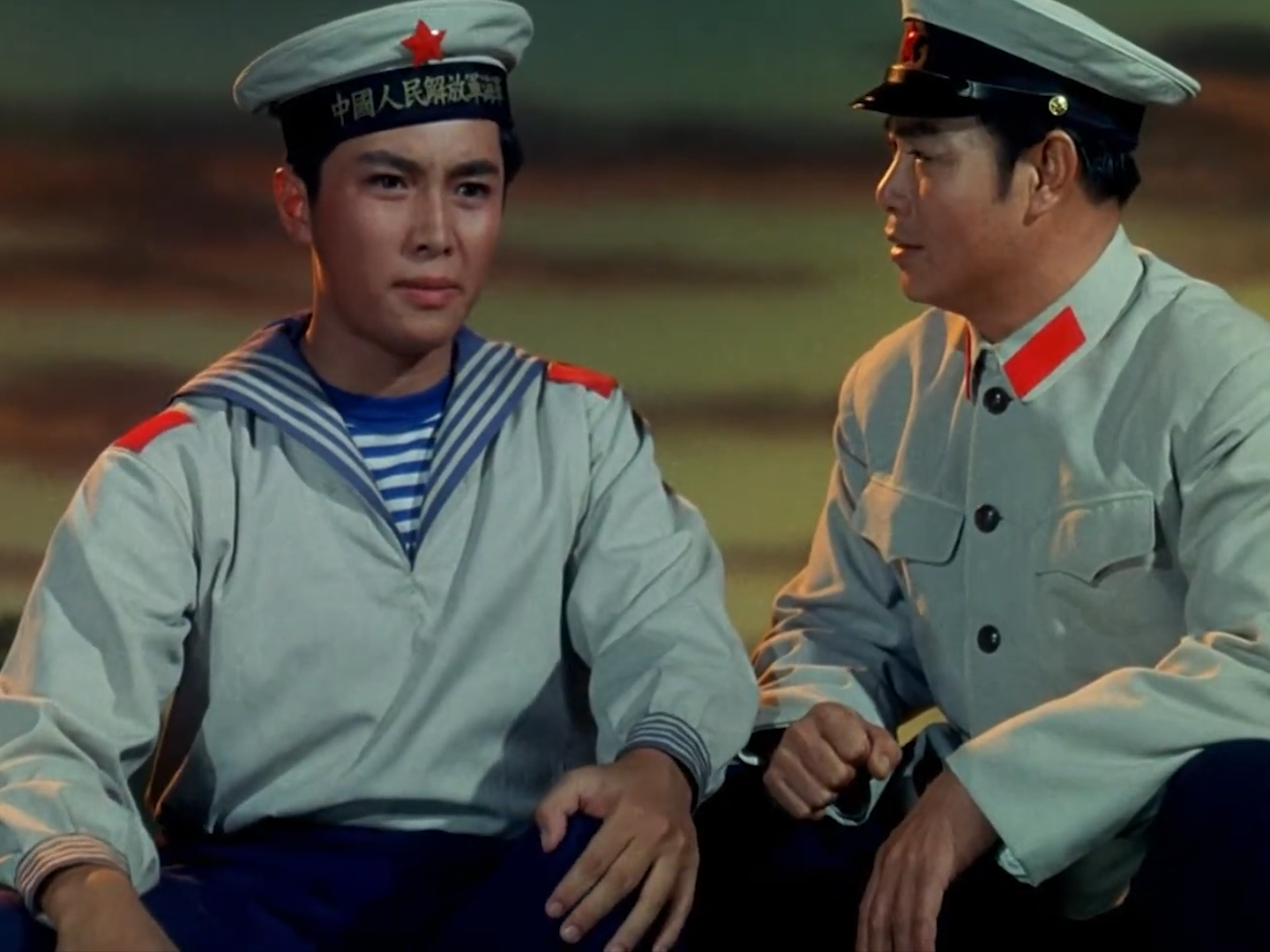
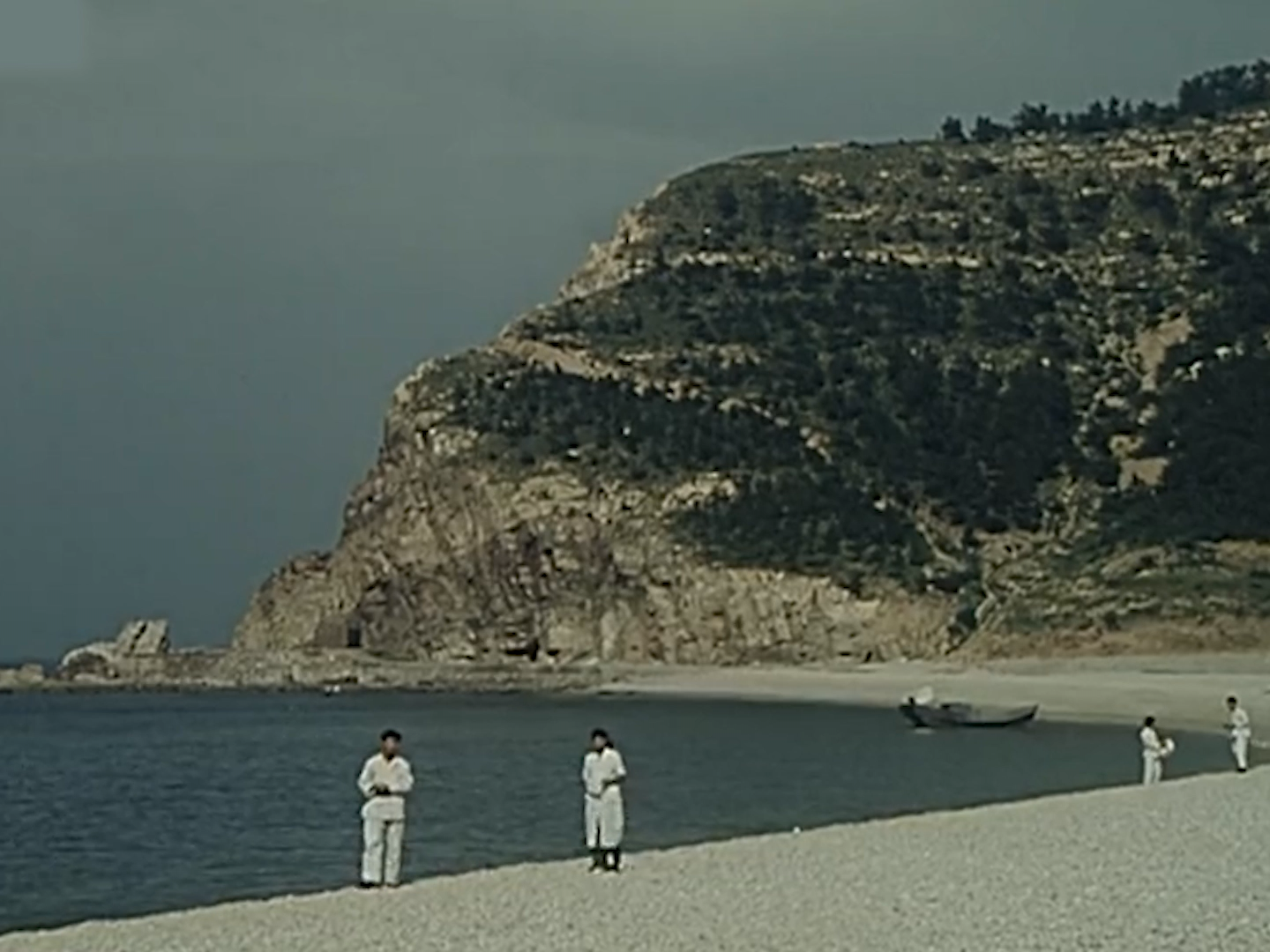
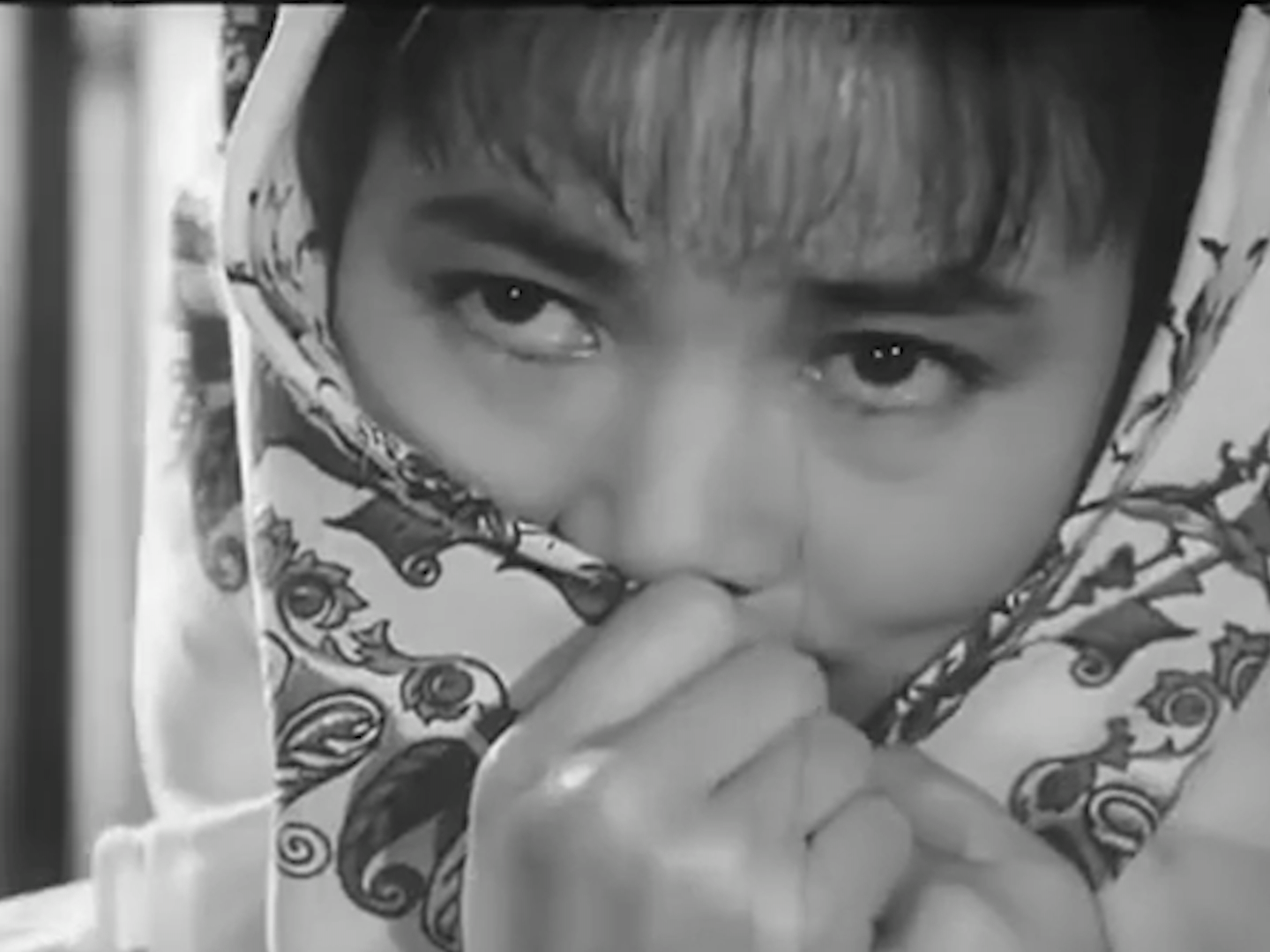
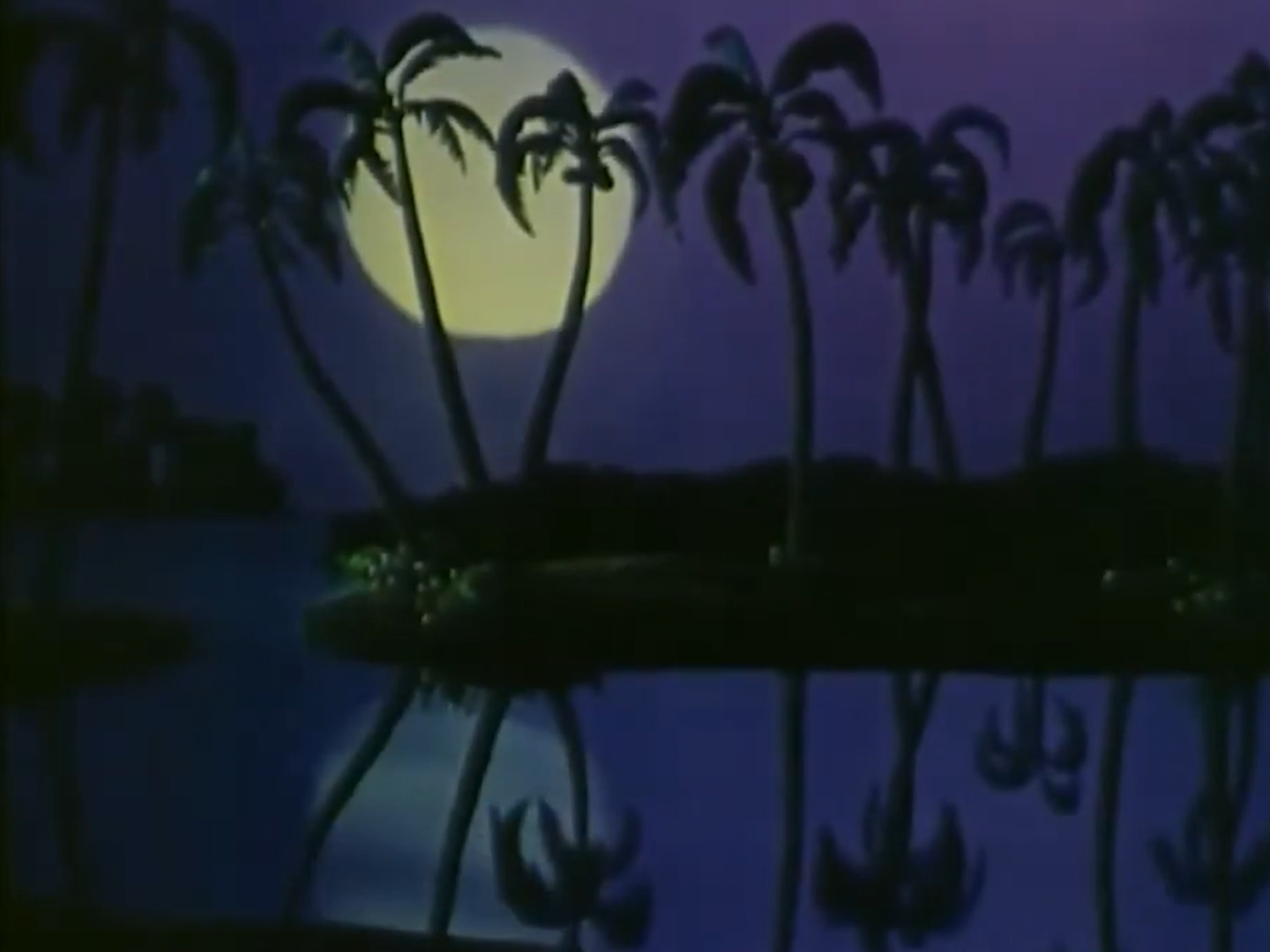
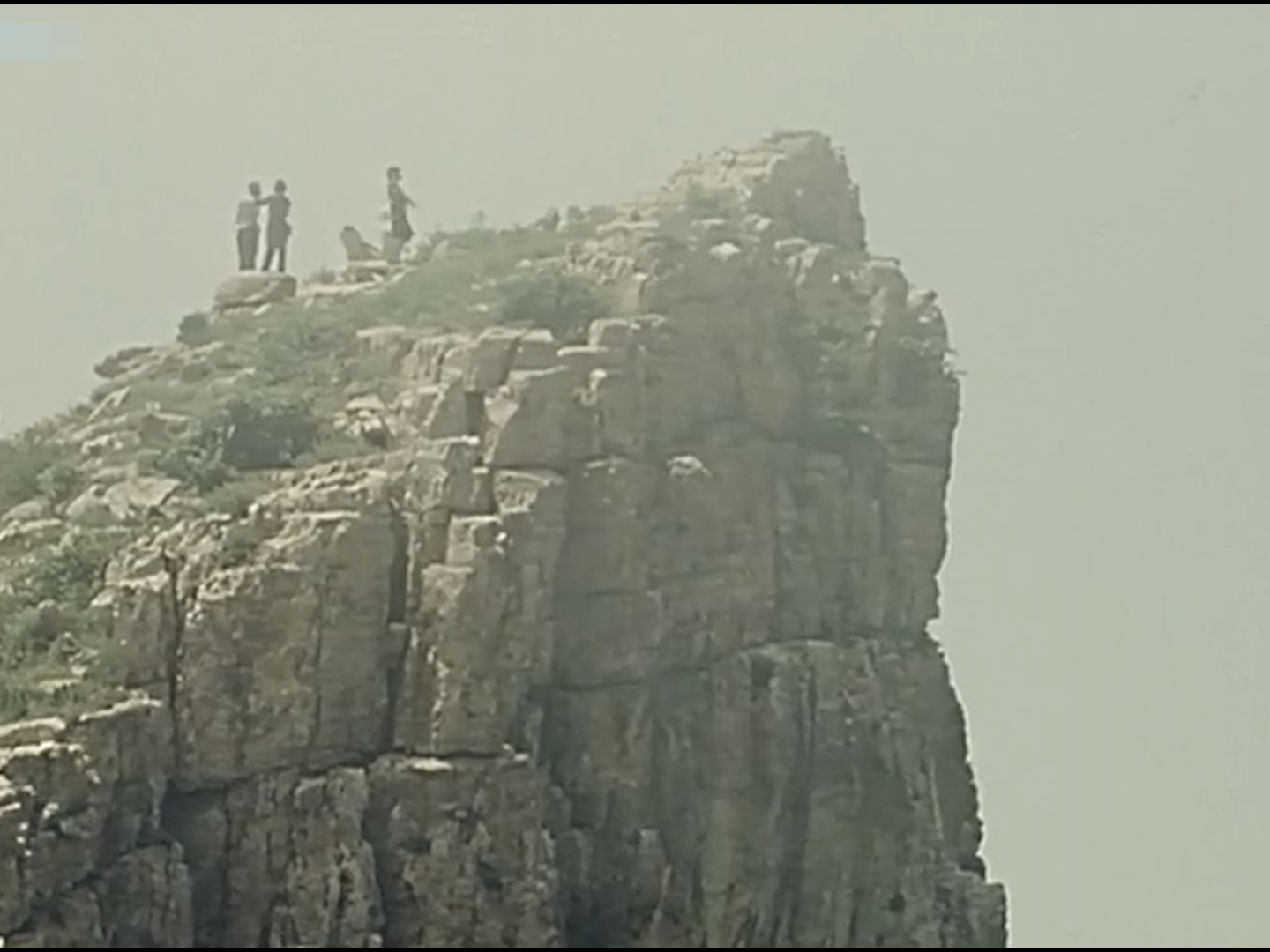
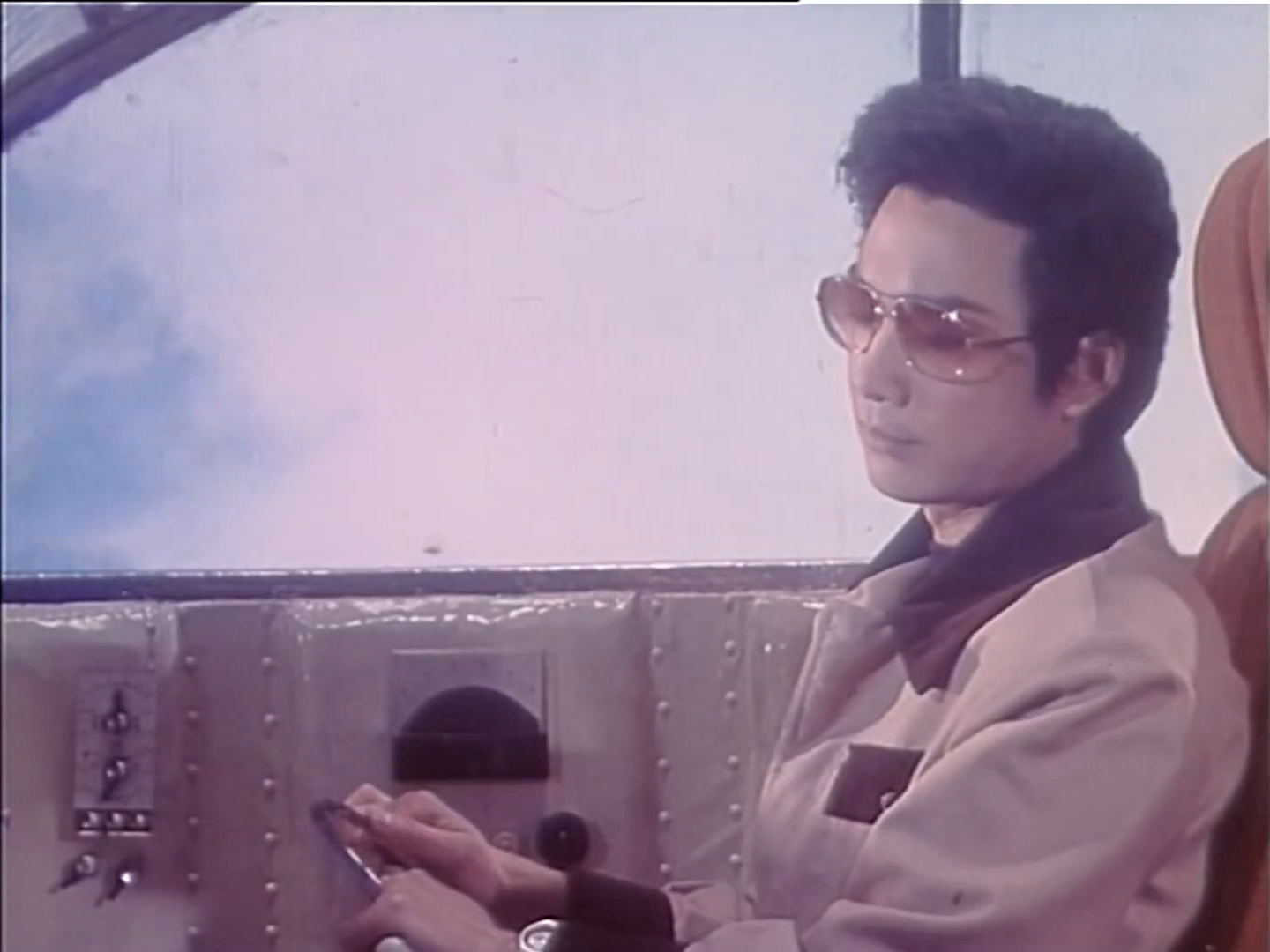
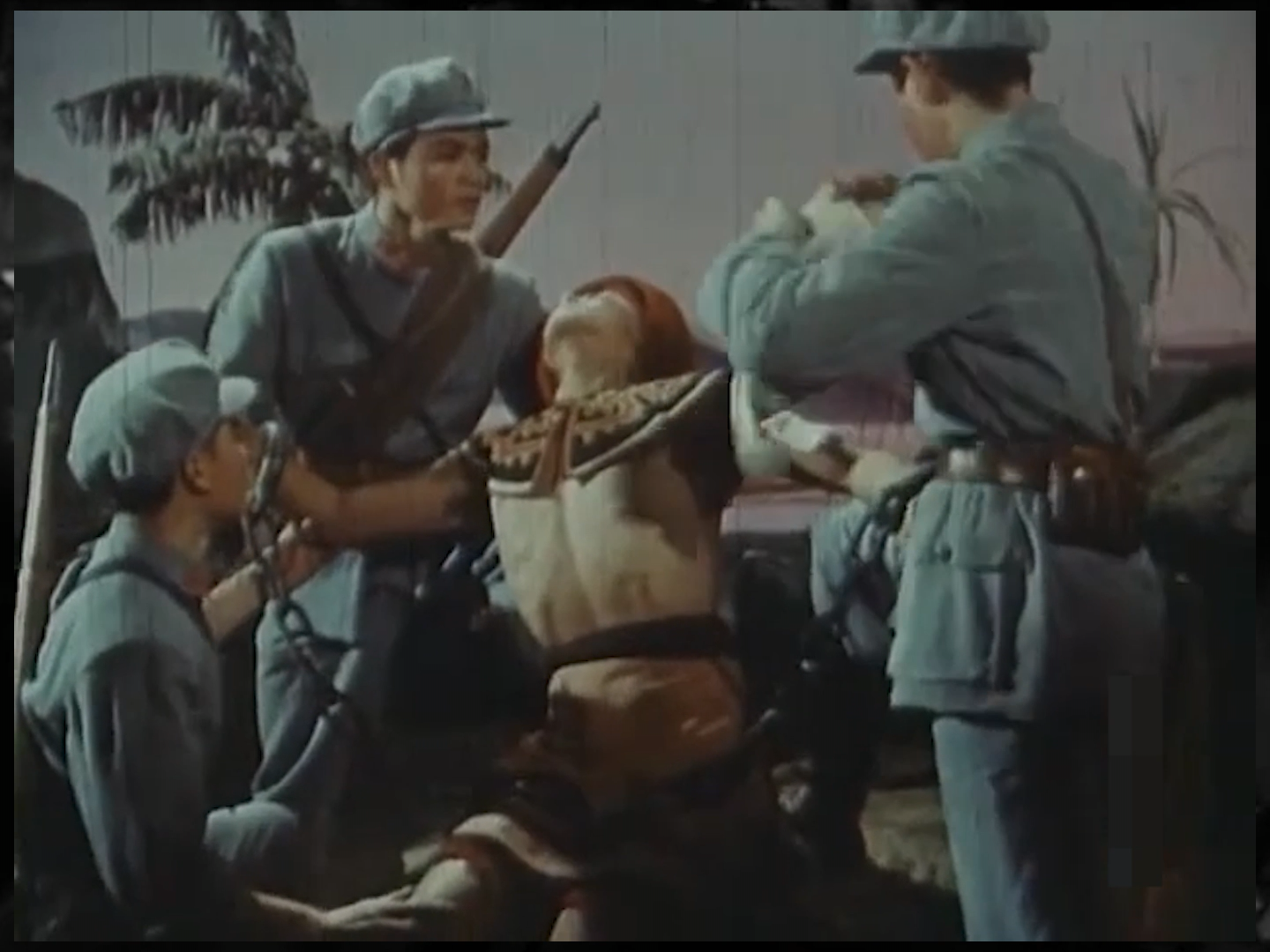
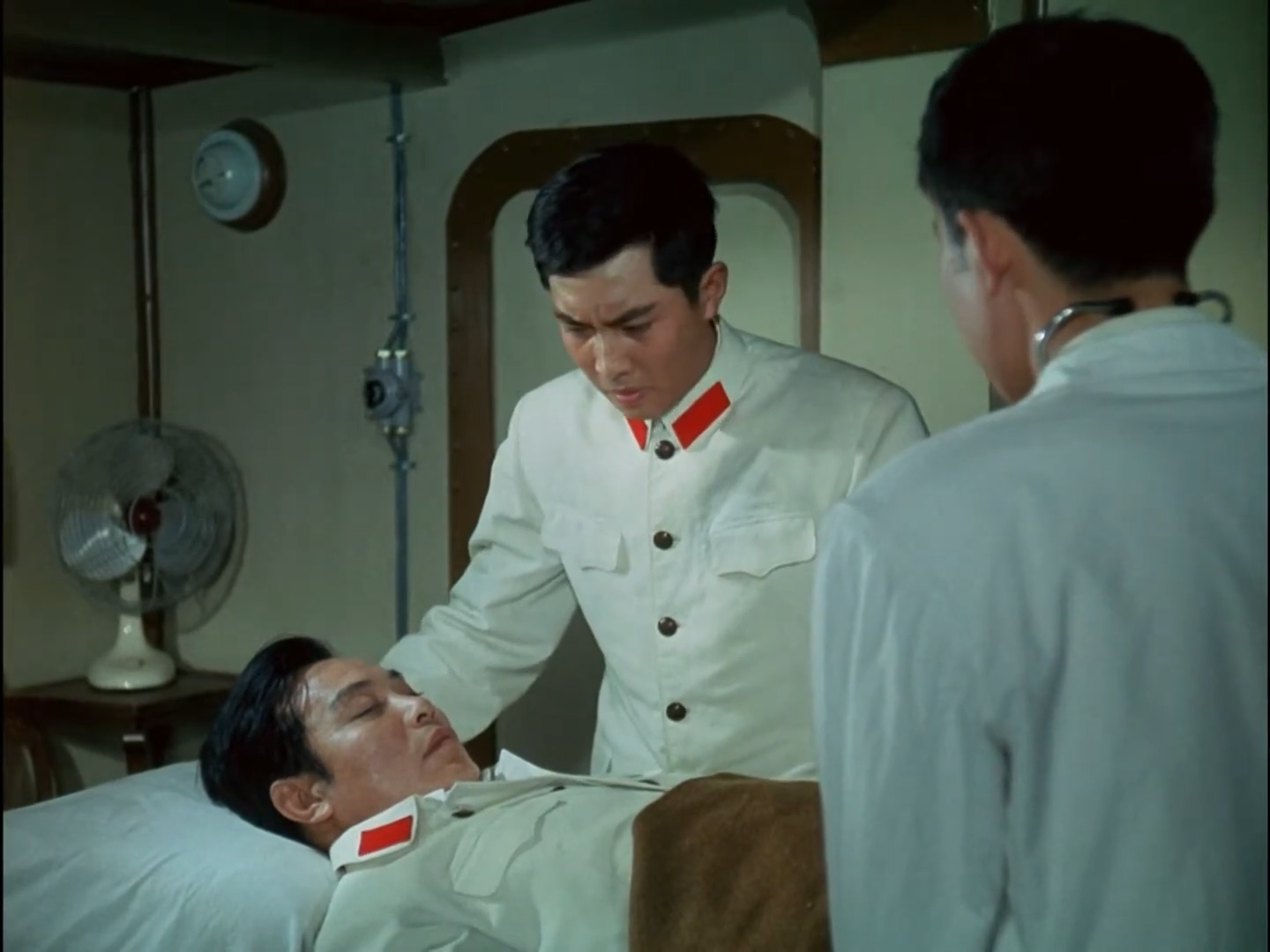
這部電影的素材取自中國國家電影製片廠在社會主義時期(1950年代至1980年代)製作的十五部劇情長片。這些影片以島嶼和海洋為背景,講述了戰爭、間諜活動、革命和階級鬥爭的故事。曾經用來塑造集體意識、動員情感的影像,被導演解構重組,化作一場面目全非的夢魘。歷史的迴響在水下交織;宣傳的語言化作椰樹的夜低語,滲入每個沉睡者的夢境。島嶼的邊界在這些影像的殘影中逐漸消融,個體與集體、現實與虛構之間的界線也遂漸模糊,引領觀眾進入一個迷宮般的夢境,在那裡,既熟悉又陌生的召喚清晰可聞。
The film’s source material is drawn from fifteen narrative features produced by Chinese state film studios during the socialist period from the 1950s to the 1980s. Set on islands and at sea, these films told stories of war, espionage, revolution, and class struggle. Images once used to shape collective consciousness and mobilize emotion are here dismantled and reassembled, becoming an unrecognizable fever dream. The echoes of history intertwine beneath the water; the language of propaganda turns into the nighttime whispers of coconut palms, seeping into every sleeper’s dreams. The island’s borders gradually dissolve within the afterimages of these frames, and the boundary between individual and collective, reality and fiction, blurs in turn, inviting viewers into a labyrinthine dreamscape where a call both familiar and strange can be felt.
導演
潘律
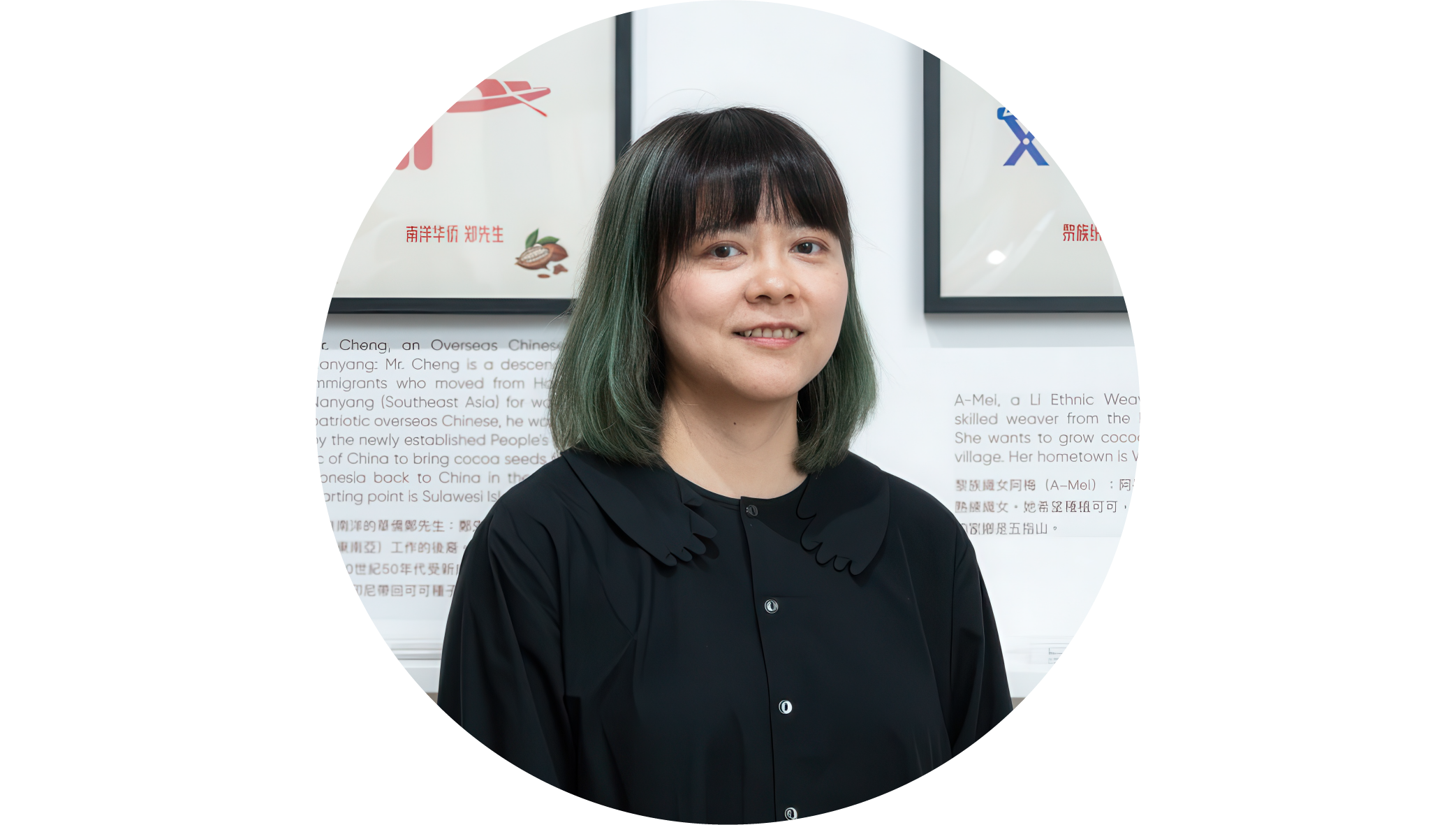
潘律是香港理工大學中國歷史及文化學系副教授。身為影像藝術家,她的作品包括與王博聯合執導的《湧浪之間》(2019)、《瘴氣、植物、外銷畫》(2017)、《港城三記》(2016)、與荒木悠合作的《倒錯的編年史:出/入亞洲之旅》(2021 年)以及個人執導短片《海島熱夢》(2026)。
PAN Lu is Associate Professor at Department of Chinese History and Culture, The Hong Kong Polytechnic University. As a moving-image artist, her works include Many Undulating Things (2019), Miasma, Plants, Export Paintings (2017), Traces of an Invisible City: Three Notes on Hong Kong (2016) co-directed with Bo Wang, Anachronic Chronicles: Voyages Inside/Out Asia (2021) with Yu Araki and her independently directed short, Island Fever (2026).
單場購票連結
《海島熱夢》由十五部中國社會主義時期(1950至1980年代)劇情長片的碎片組構而成,這些影片曾將島嶼與海洋演繹為戰爭、諜報、革命與階級鬥爭的劇場。這些影像一度被打造用來動員情感與塑造集體意識,如今被拆解與重組,旨在當意識形態的腳本被移除後,傾聽何物依然留存。
我的方法是「變調」:提取手勢與地平線,倒放特定段落,讓聲音在空隙間匯聚。宣傳的韻律化作暗湧殘存;即便腳步已逝,行軍的節奏仍在繚繞。在這股漂流中,島嶼不僅是場景,它是情感的結構,一道消融於循環之中的邊界。當殘影相互沖刷,個體與集體、現實與虛構的界線開始模糊。
本片摒棄旁白與解釋性文字,由蒙太奇與聲音承載敘事。調色極簡,以保留膠卷的原始質感;配樂將時代母題扭曲,直至其徘徊在可辨識的邊緣。
這是一部「轉化性再利用」的作品:它尊重這些國家影像中內嵌的勞動、風險與限制,同時將其能量遷移至另一個時間場域。處理檔案的倫理對我至關重要。我不將過去視為採掘場,而是視為潮汐——一種觸碰、退去,並帶著不同鹹度回歸的元素。我的目標是創造空間,讓原片無法直言的內容,以及那些它們或許根本無意表達的內容,得以顯現。
Island Fever is assembled from fragments of fifteen socialist-era Chinese features (1950s–1980s) that staged islands and seas as theaters of war, espionage, revolution, and class struggle. Once engineered to mobilize feeling and shape collective consciousness, these images are dismantled and reassembled to hear what persists when ideology’s script is removed.
My method is to detune: isolate gestures and horizons, reverse certain sequences, let sound collect in the gaps. Propaganda’s cadence remains as undertow; the marching rhythm lingers even when the footsteps are gone. In this drift, the island becomes more than a setting—it is a structure of feeling, a border that dissolves into circulation. As afterimages wash over one another, the lines between individual and collective, reality and fiction, begin to blur.
I avoid voiceover and explanation. Montage and sound carry the narrative. Color grading is minimal to keep the prints’ texture; the score bends period motifs to the edge of recognition.
This is a work of transformative reuse: a composition that respects the labor, risks, and constraints embedded in these state-produced images while relocating their energies into another temporal field. The ethics of working with archives are central to me. I do not treat the past as quarry, but as tide—an element that touches, recedes, and returns with different salinities. My aim is to make space for what the original films could not say outright, and for what they perhaps did not intend to say at all.
相關文章與座談